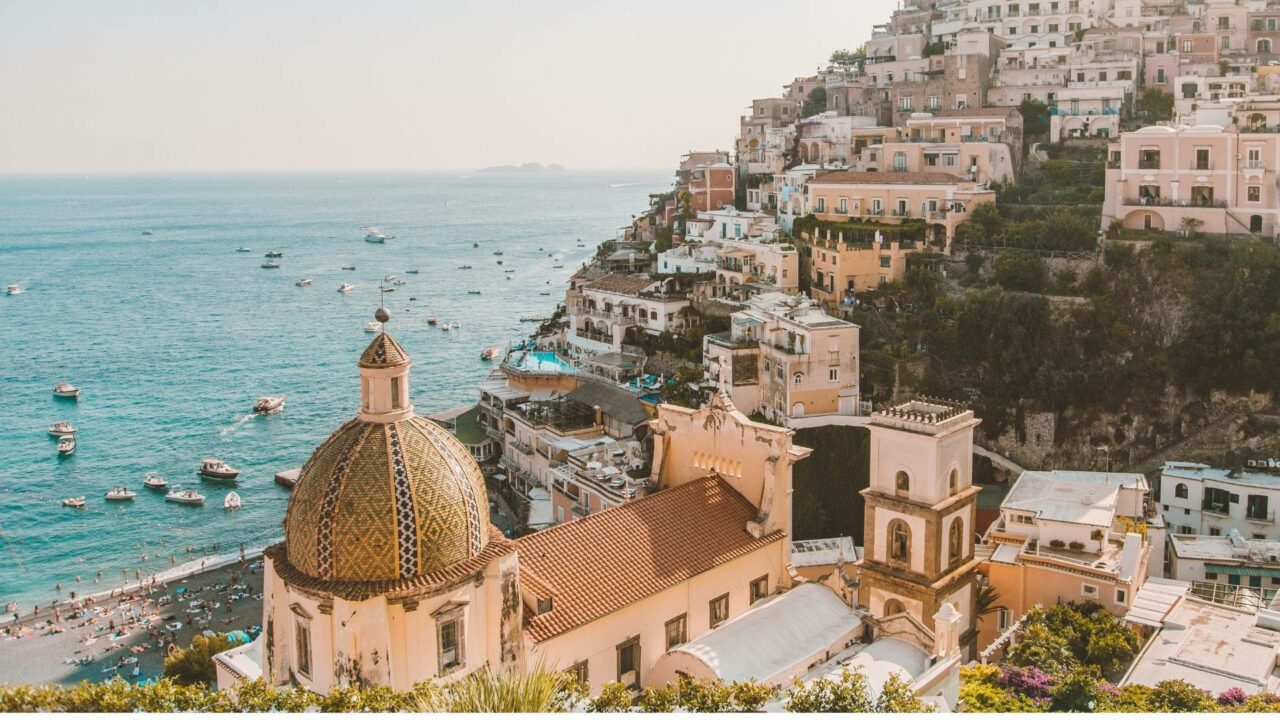
Positano
Famous for its vertical layout and colorful houses stacked along the cliffside. It serves as a primary hub for coastal views and beach access.
Visit early during the 08:00–10:00 arrival window to avoid crowds.
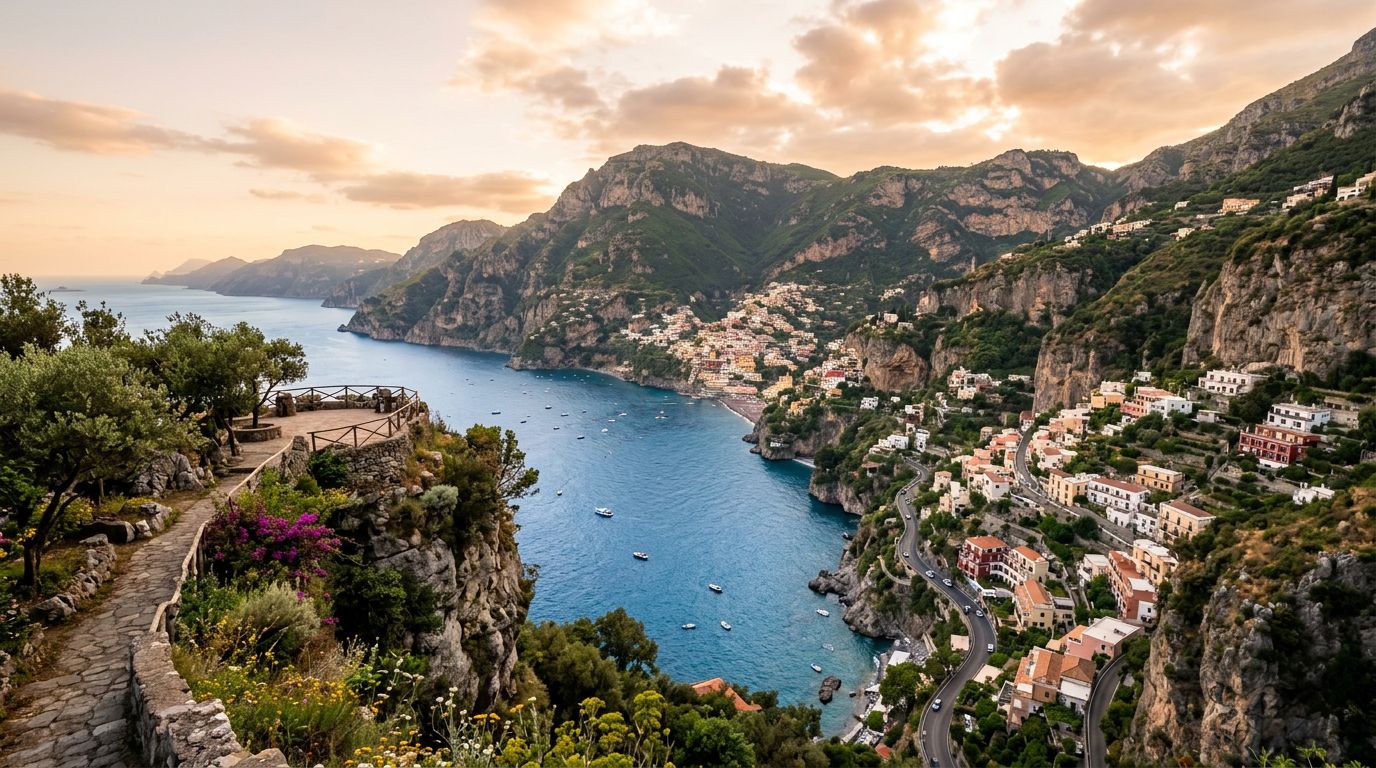
The Amalfi Coast spans 50 kilometers of coastline between Positano and Vietri sul Mare, with thirteen towns connected by narrow cliffside roads. Most visitors underestimate the travel time between destinations and the slow pace required to navigate the coastal highway. The right duration depends on whether you plan to stay in one base town or move between multiple locations.
Quick answer
Three to five days gives you enough time to visit the major towns of Positano, Amalfi, and Ravello, complete at least one coastal hike, and experience the beaches without constant rushing. Two days feels compressed and limits you to surface-level visits. A full week allows you to explore smaller villages like Atrani and Furore, take a boat trip to Capri, and adjust your pace to the region's rhythm.
The Costiera Amalfitana contains more vertical relief than horizontal distance—most towns cling to slopes that drop 400 meters straight into the Tyrrhenian Sea. This geography shapes every aspect of trip planning. Determining how many days do you need in Amalfi Coast starts with understanding the transportation reality. The SS163 coastal road averages 30 kilometers per hour during peak season, with frequent stops for buses to pass on single-lane sections. Positano to Amalfi takes 45 minutes by car or bus despite being only 16 kilometers apart. Ravello sits 365 meters above sea level, requiring a separate inland climb from Amalfi. Ferry service between towns operates April through October and cuts travel time significantly, but schedules depend on sea conditions. Visitors who allocate a full day per major town—one for Positano, one for Amalfi, one for Ravello—discover that three days barely scratches the surface. The Path of the Gods trail between Bomerano and Nocelle spans 7.8 kilometers and takes four hours, consuming most of a day when you factor in transportation to the trailhead and descent into Positano afterward. The Valle delle Ferriere hike from Amalfi requires similar time commitment. Beach time adds another layer—Marina Grande in Positano and Fornillo Beach fill by 10:00 during summer, so a proper beach day means arriving early and staying through afternoon. Each activity expands to fill more time than a map suggests. Four to five days accommodates the core coastal experience with margin for weather delays, crowded ferry cancellations, or spontaneous detours. This duration supports staying in one strategically located base like Amalfi or Praiano, using it as a hub for day trips rather than moving hotels every night. Seven days suits travelers who want to add Capri, explore artisan ceramics workshops in Vietri sul Mare, or hike multiple trails. Anything less than three days forces impossible choices and turns the visit into a checklist exercise rather than an immersion in the coast's layered rhythms.
“The SS163 coastal road averages 30 kilometers per hour during peak season, with frequent stops for buses to pass on single-lane sections.”
The Amalfi Coast rewards different visit lengths depending on your pace. A 3-day trip covers the main towns, while 5–7 days allows deeper exploration of trails, beaches, and hillside villages.
Settle into Positano, explore its terraced streets and Spiaggia Grande beach. Use the afternoon to orient yourself with local bus routes and ferry schedules for upcoming days.
Visit Amalfi's cathedral and paper museum, then walk 10 minutes east to the quiet fishing village of Atrani. Budget time for the scenic coastal walk between the two towns.
Take the bus uphill to Ravello for Villa Rufolo and Villa Cimbrone gardens. The terraced views over the coastline require 2–3 hours; return via the same bus route down to the coast.
Hike the Sentiero degli Dei trail from Bomerano to Nocelle (3–4 hours), then descend to Positano. Spend the next day in Praiano for a quieter beach experience and sunset from the Marina di Praia.
Explore the Furore fjord's small beach and painted houses, then venture inland to Scala or Tramonti for terraced vineyards and local trattorias. These extra days let you explore at a relaxed rhythm without rush.
The period from May through June and September through October offers the most favorable balance of moderate temperatures and manageable visitor levels. Regardless of the season, maintaining the best arrival window of 08:00–10:00 is essential to avoid peak traffic and cruise ship crowds.
Mild, 18°C–25°C; ideal for outdoor activity
These shoulder months allow for more flexible movement and comfortable exploration. Daily access is consistent, with operating hours from 08:00–10:00 providing a tactical advantage for site visits.
Hot and humid, 28°C–32°C
High temperatures and significant visitor numbers can constrain daily movement. Focus on early morning activity to mitigate the intensity of both sun and crowds.
Cool and rainy, 10°C–16°C
Many coastal services operate on reduced schedules during this period. While crowds are minimal, weather conditions may limit outdoor accessibility.
—
Arriving between 08:00–10:00 consistently provides the most open access to public areas before the daily influx of tour groups.
Verdict: The best time to visit is during the shoulder months of May or October, arriving daily between 08:00–10:00 to bypass peak congestion.
The Amalfi Coast is located in the Province of Salerno, Campania, Italy. Navigating the coastal SS163 road requires patience, as travel times between towns are often longer than distance suggests.
Circumvesuviana from Naples to Sorrento
SITA Sud line from Sorrento to Amalfi
Travel from Salerno or Positano ferry ports
SS163 Amalfitana road
Plan your arrival between 08:00 and 10:00. This window helps avoid peak traffic and cruise ship crowds, ensuring smoother transit along the coastal routes.
The duration of your stay depends on which towns you prioritize across the Amalfi Coast. Focusing on these distinct locations helps clarify whether your travel goals require a shorter three-day trip or a more expansive seven-day visit.
Famous for its vertical layout and colorful houses stacked along the cliffside. It serves as a primary hub for coastal views and beach access.
Visit early during the 08:00–10:00 arrival window to avoid crowds.
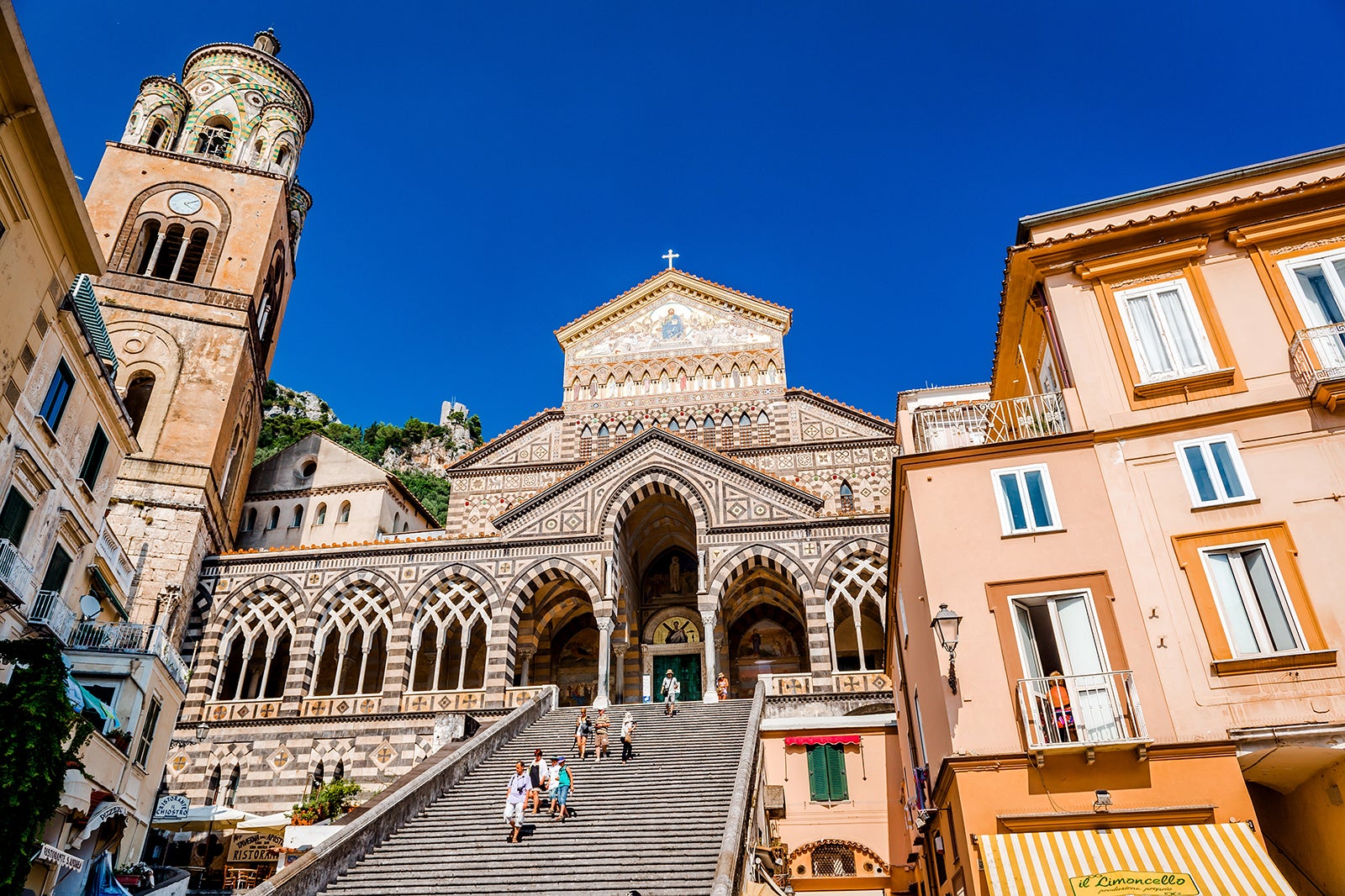
Located in the heart of Amalfi, this 9th-century cathedral features a striking striped facade and a grand staircase. The adjacent Chiostro del Paradiso offers a quiet architectural space.
Walk the steps early to capture the facade without pedestrian traffic.
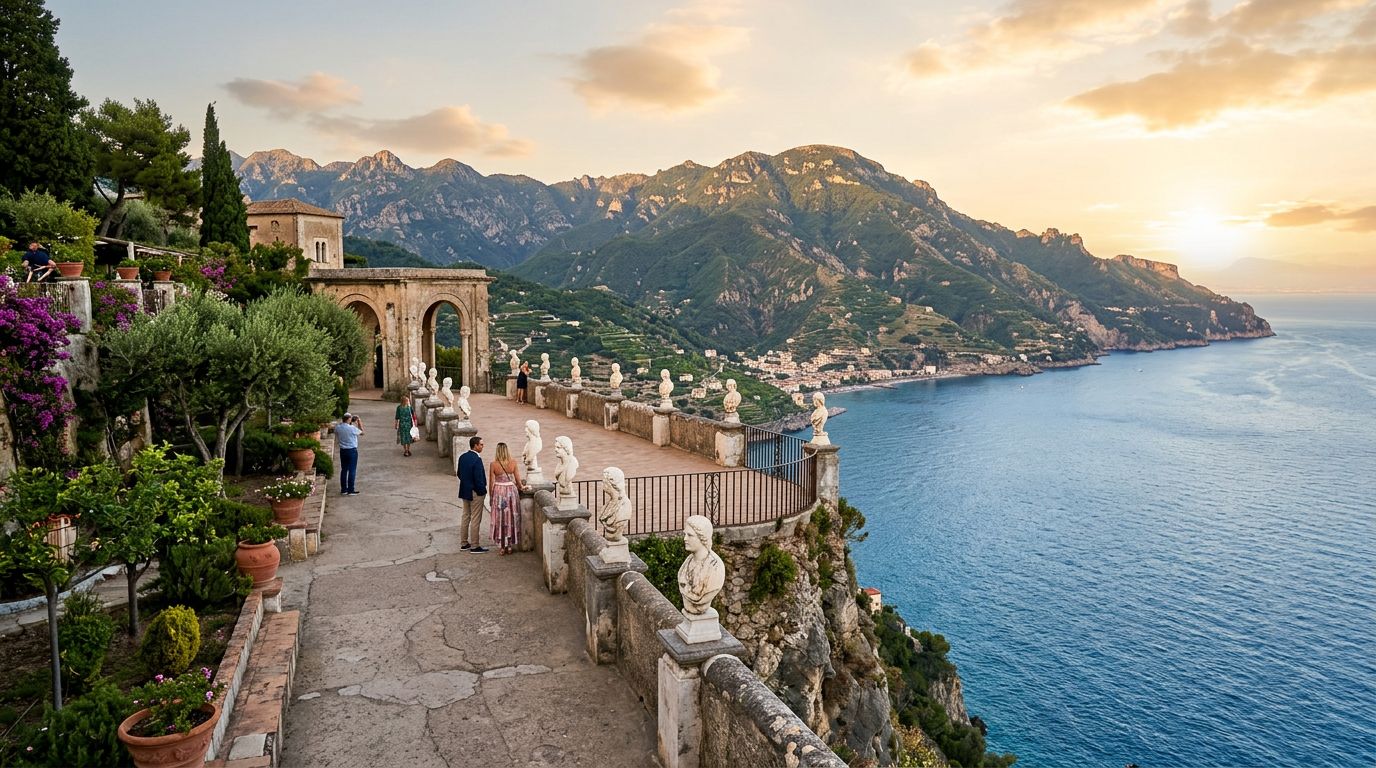
Situated in Ravello, this estate is known for the Terrace of Infinity, which overlooks the Tyrrhenian Sea. The surrounding gardens provide a contrast to the bustling coastal towns below.
Access the gardens early to enjoy the terrace in relative quiet.
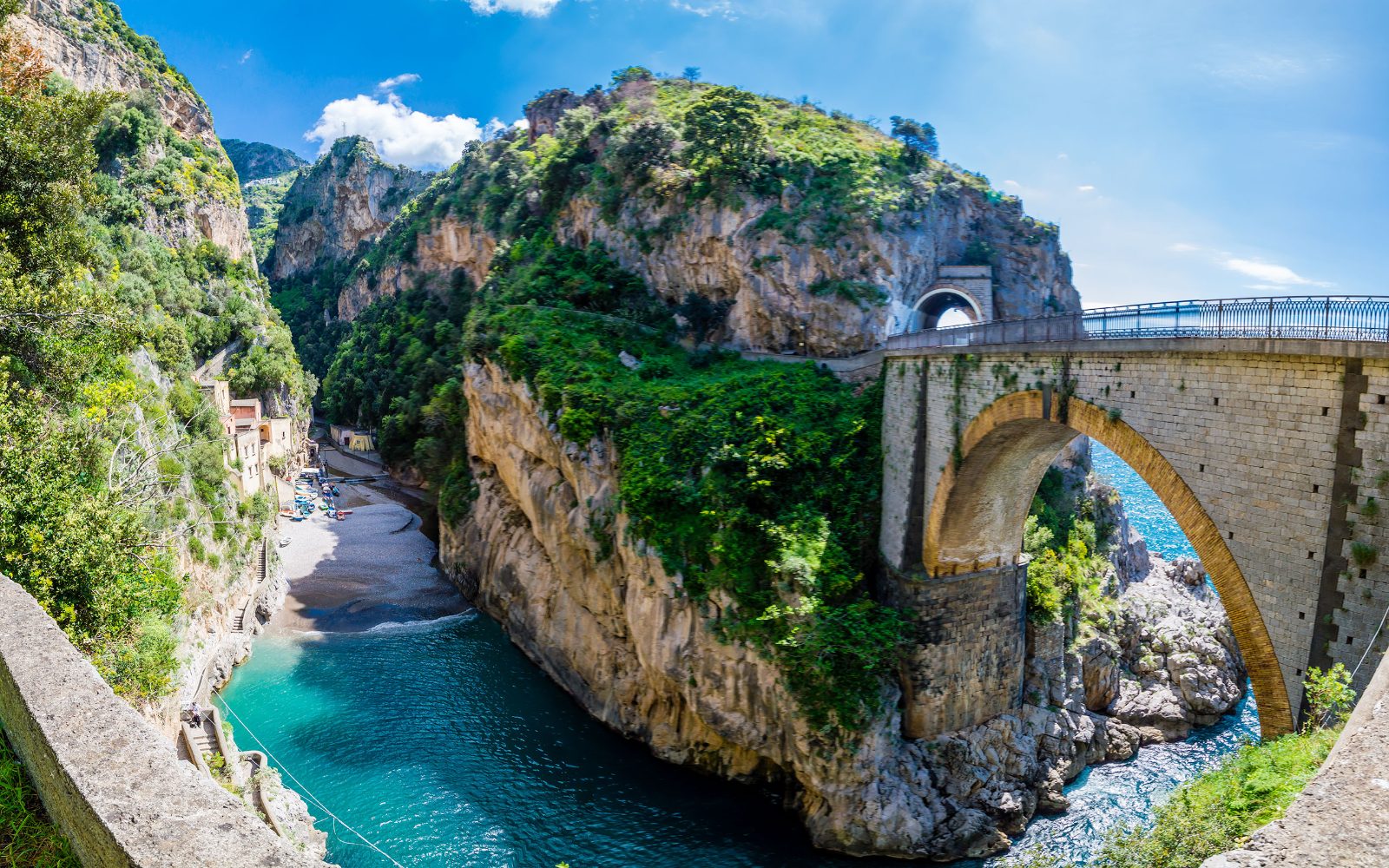
A narrow, deep cove located between high cliffs, featuring a small beach and a historic bridge. It is accessible by road or water-based transit.
View from the bridge before the afternoon sun shifts position.
Prepare these items before finalizing your Amalfi Coast itinerary to ensure your chosen duration aligns with your bookings and logistics.
Everything you need to know about how many days do you need in amalfi coast
For a comprehensive experience, most travelers find that 4 to 5 days is the ideal amount of time. This duration allows for a balance of coastal town exploration and active discovery.
While you can see highlights in three days, you will likely feel rushed given the winding geography. A longer stay helps you avoid the fatigue often associated with dense travel schedules.
Active travelers often ask how many days do you need in amalfi coast when planning bike tours. We recommend at least 5 days to enjoy the Mediterranean scenery at a sustainable pace without overexertion.
Two days allows for a brief introduction to the main villages but limits your ability to explore quieter paths. You may find that extra time provides a more relaxed perspective on the region.
When visiting with children, consider extending your trip to at least 6 days to account for a slower pace. This allows for more frequent breaks and flexibility in your daily schedule.
To ensure the best experience, plan your arrival between 08:00 and 10:00 to avoid peak traffic. This strategy also helps bypass the largest influx of cruise ship passengers.
By dedicating at least 5 days to the region, you can spread your travel across different times to avoid heavy congestion. This is often the best way to handle the logistics of the coastal roads.
There is no entrance fee for public areas, towns, or beaches in the region. You are free to explore these locations as part of your overall itinerary.